One of the questions parents and teachers often ask is: "Why can't my child sit still and focus?"
It is a reasonable question. As adults, we sometimes forget that young children learn differently. While sitting and listening have their place, young children often learn best when they can move, explore, and engage actively with their environment.
“For children, movement is not separate from learning.”
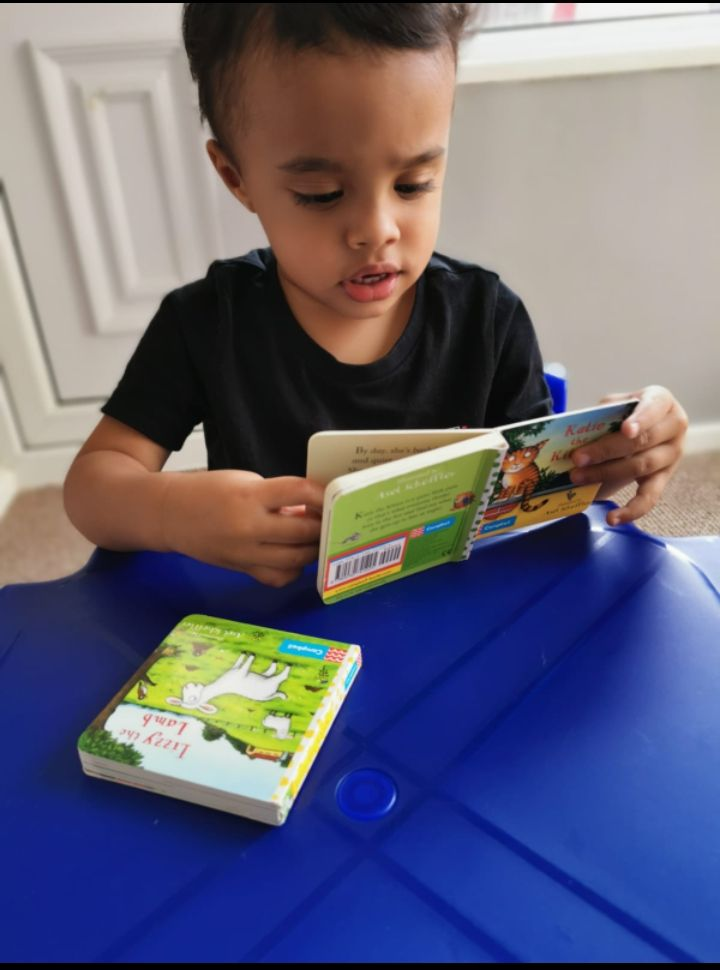
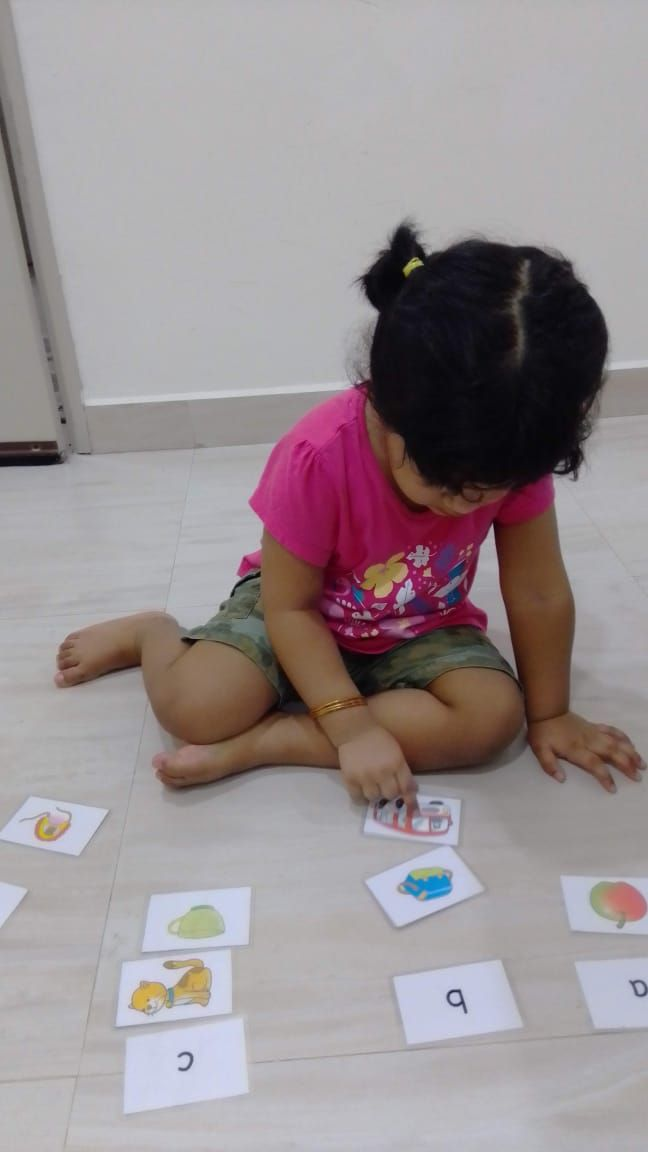
Young children learn by touching, carrying, sorting, matching, building, exploring, and interacting with their environment. Through these experiences, they develop coordination, concentration, confidence, and understanding.
Why the Montessori approach values purposeful movement
This is one of the reasons I have always appreciated the Montessori approach to education. Children are given opportunities to learn through purposeful movement and hands-on experiences rather than through passive observation alone.
In my work with children — particularly those who struggled with reading and learning — I often noticed a positive change when lessons included movement and multisensory activities. Children who appeared distracted or reluctant became more engaged, more confident, and more willing to participate.
What Brain Gym 101 taught me
My training in Brain Gym 101 further encouraged me to explore the connection between movement and learning. While every child is different, I have seen how simple movement-based activities can help some children become calmer, more focused, and better prepared for learning.
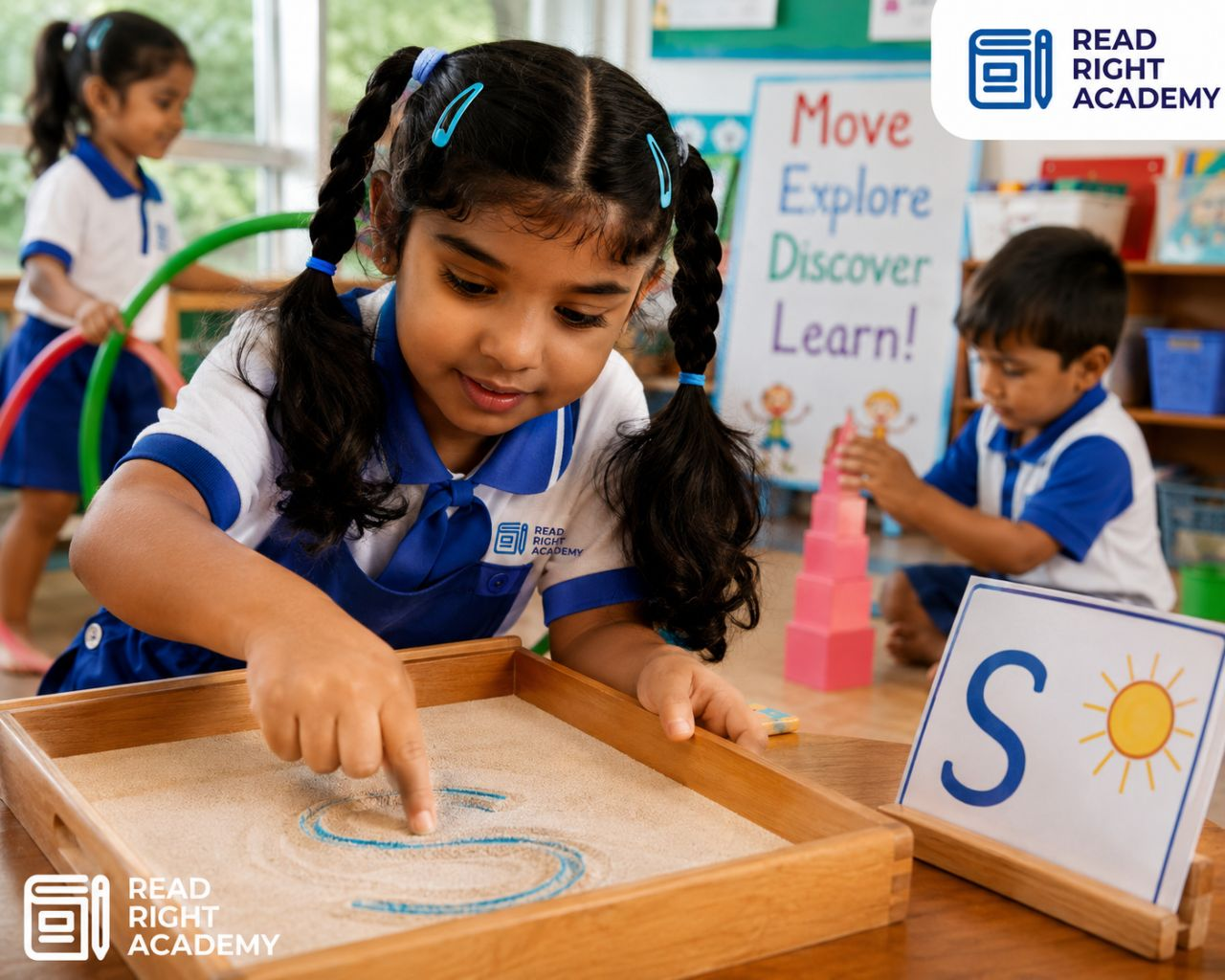
Something as simple as tracing letters, clapping syllables, moving while practising sounds, or working with hands-on materials can make learning more meaningful and enjoyable for a young child.
This does not mean children should never learn to sit quietly or develop self-discipline. Those skills are important and develop over time.
However, before asking why a child cannot sit still, it may be worth considering whether we are teaching in a way that matches how young children learn best.
When we understand child development and work with the child rather than against the child, learning often becomes more joyful, more engaging, and more successful.
“Perhaps movement is not getting in the way of learning. Movement IS part of learning.”